
Commercial to Residential Conversion
Commercial to Residential Conversion in Wooler: Creating Value Through Planning, Design & Strategy
I’ve always said that the best property deals come when you can spot an angle others see as a problem. If you can solve the problem, you create the value. One of our latest projects on a High Street up in Wooler, Northumberland is the perfect example.
The Purchase
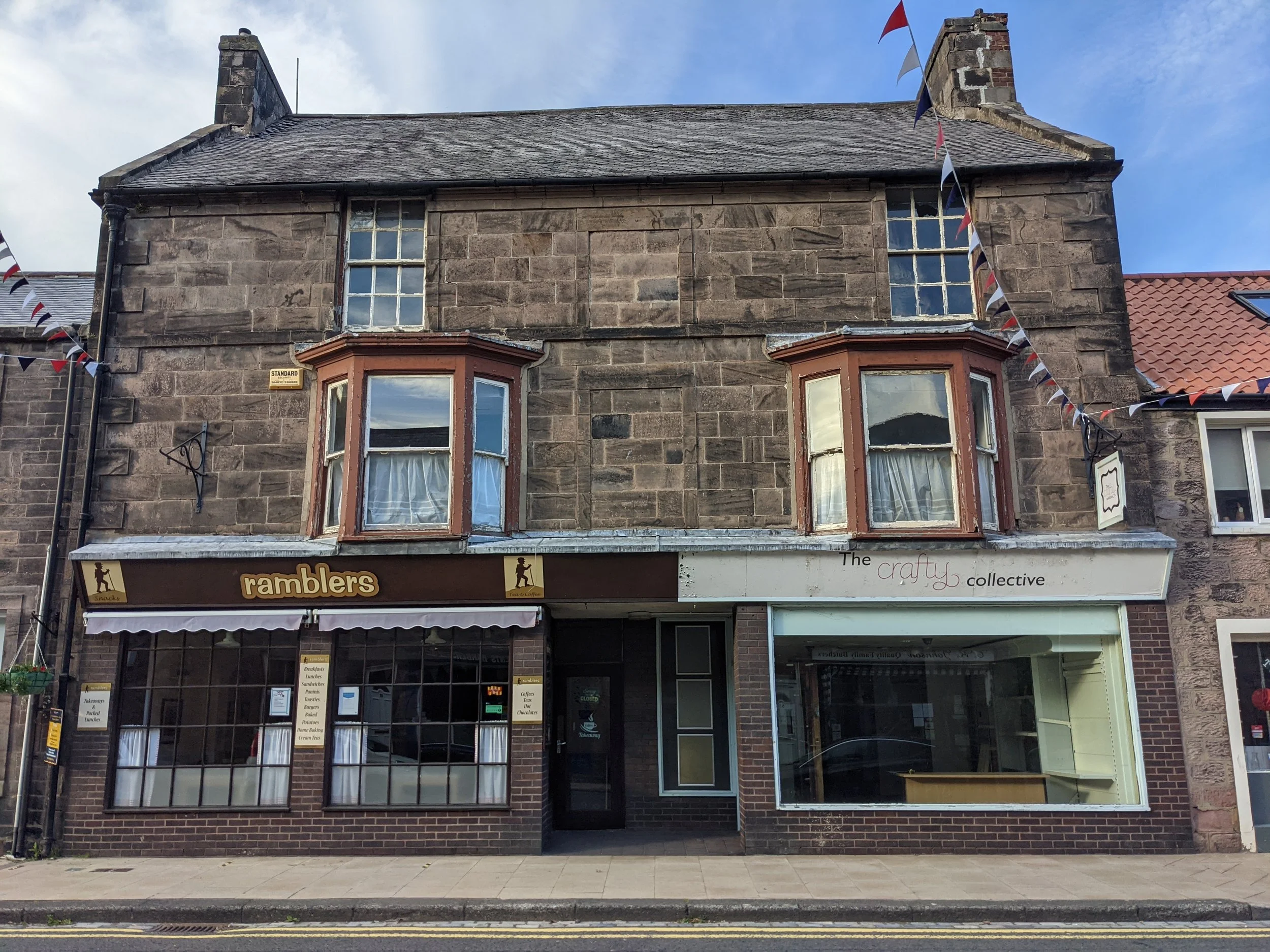
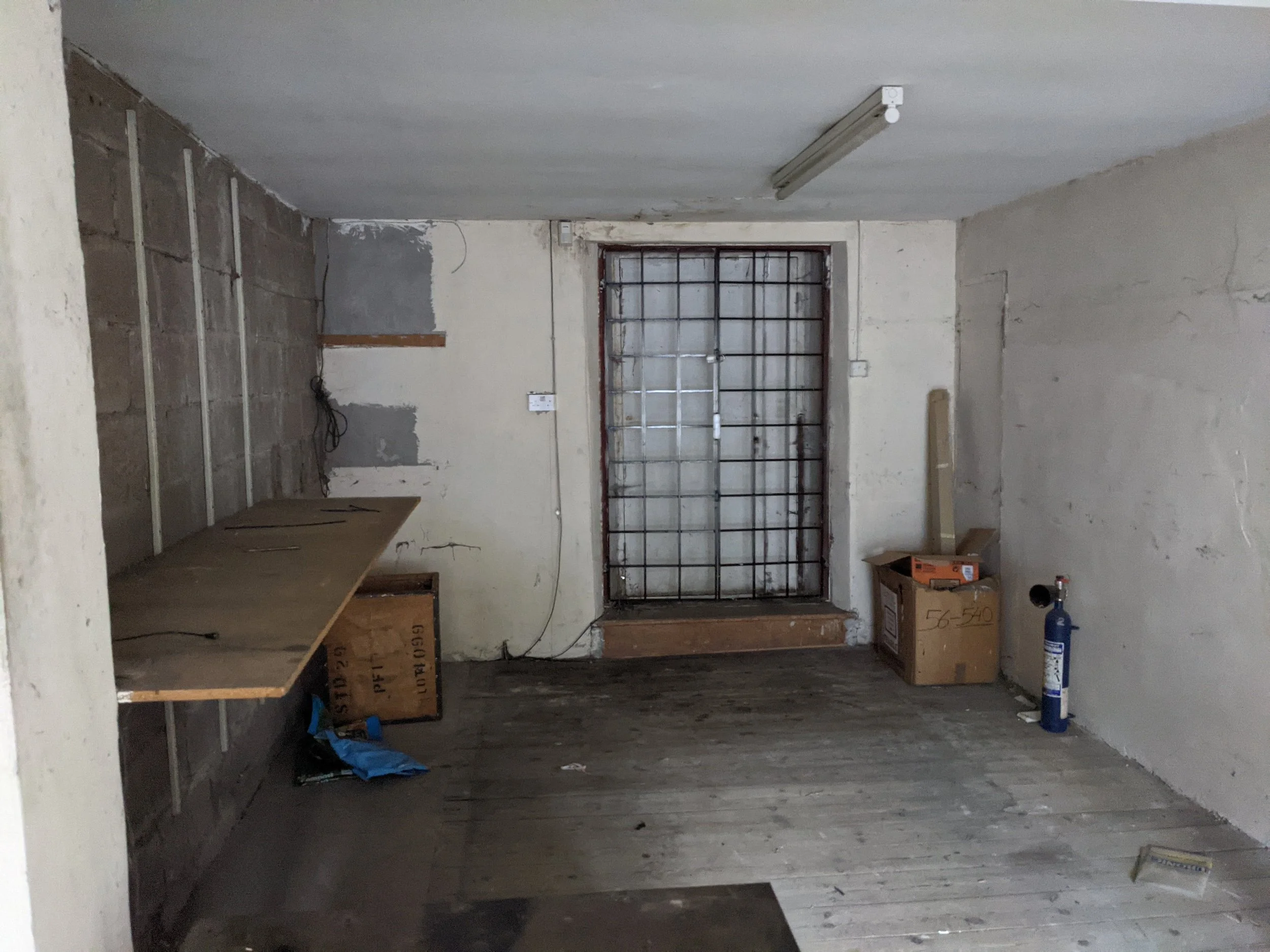
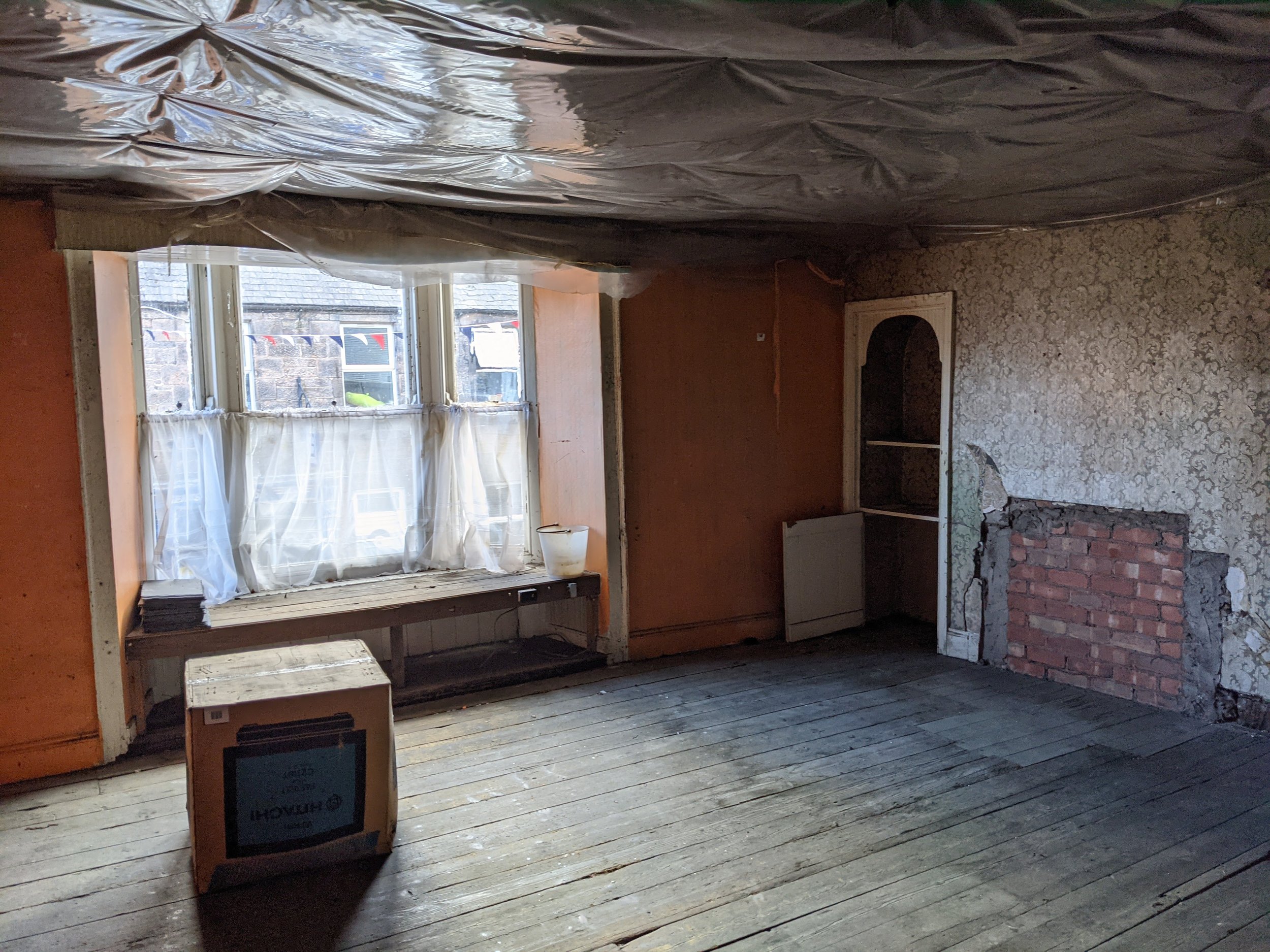
The property was a tired old building listed on Rightmove at £160–170k. It had been sitting on the market for ages. There was one tenant still in — a shop paying around £600 per month — but otherwise the building hadn’t been touched in years.
When I go out to view something like this, I’m always asking: Where is the angle? Is it a structural issue, a planning issue, or something else that scares other buyers away? Because if you can solve that, you can often pick up a bargain.
We put in two offers. The first was around £150k but on our terms: we’d complete only once we’d secured the planning permissions we needed. The second was £100k, but on the seller’s terms: quick completion, no planning conditions, they walk away clean.
Even the agent didn’t think the lower offer would fly. But, to our surprise, it was accepted. So we got the building for £100,000 — and with the sitting tenant, that was a 7.2% yield on day one, before touching the upper floors.

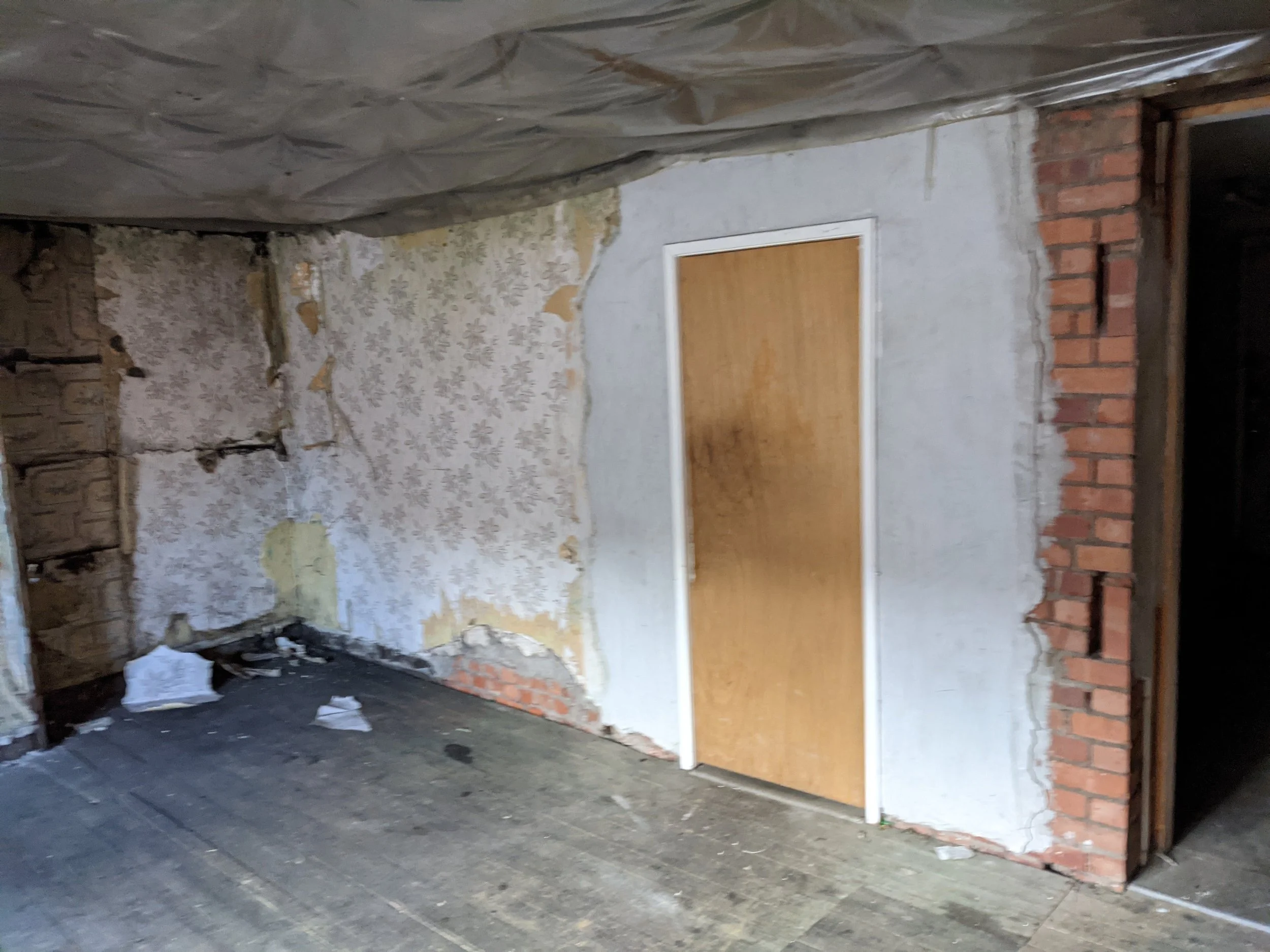
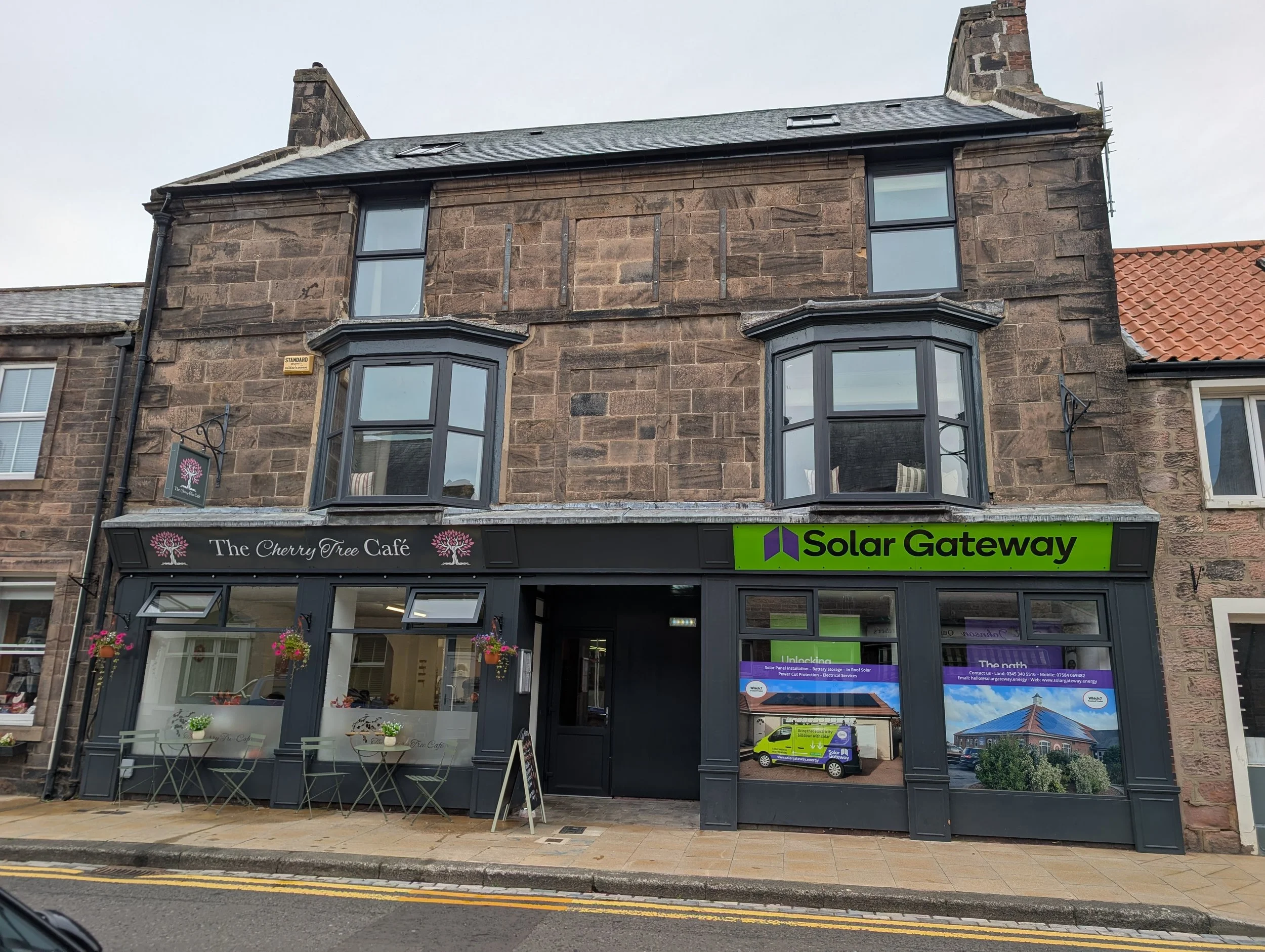
Existing commercial building in Wooler before conversion to residential apartments and mixed-use development
Planning Strategy - How we transformed a tired mixed-use building in Wooler into shops and holiday apartments using smart planning, PD rights, and creative design.
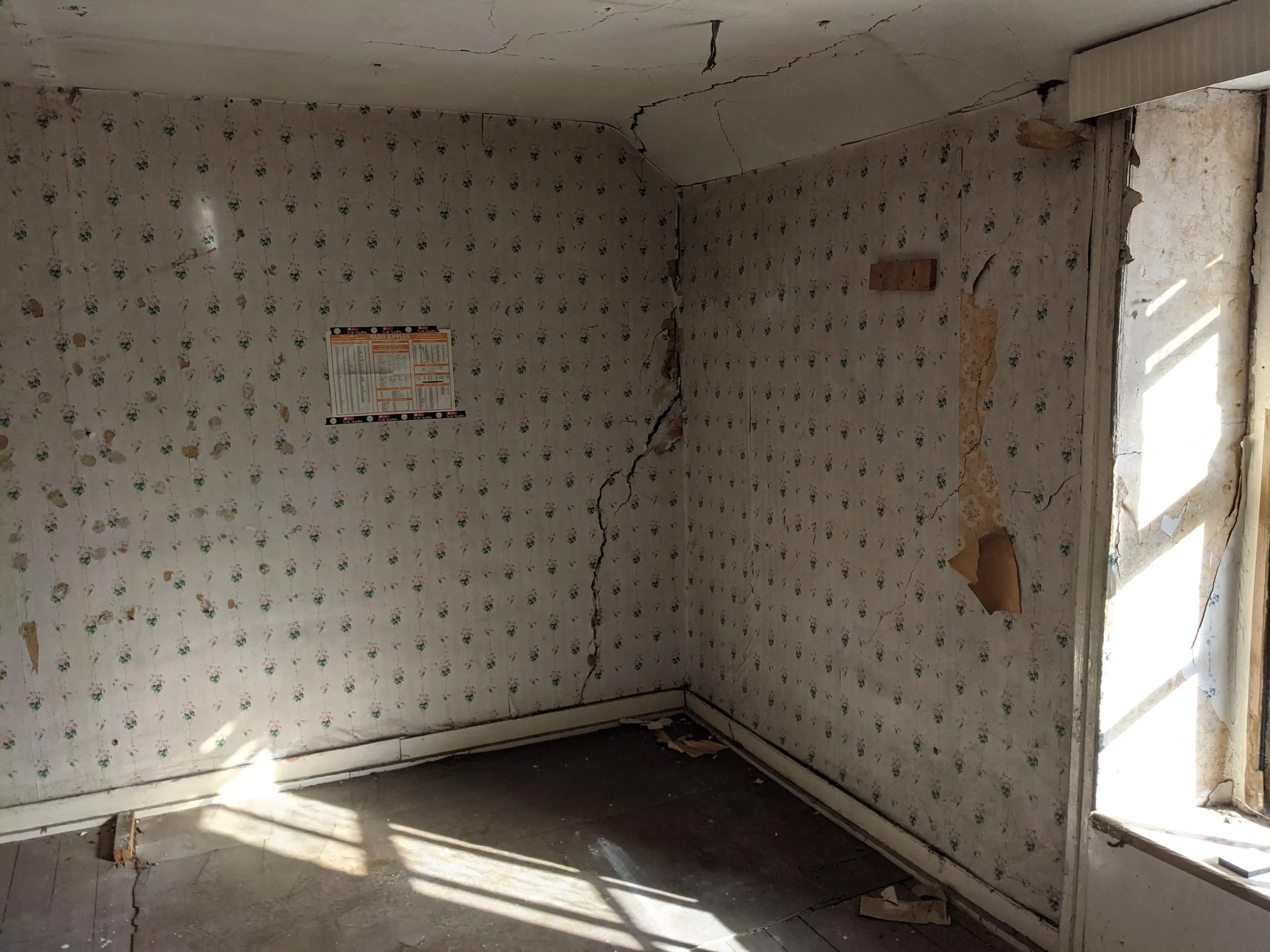
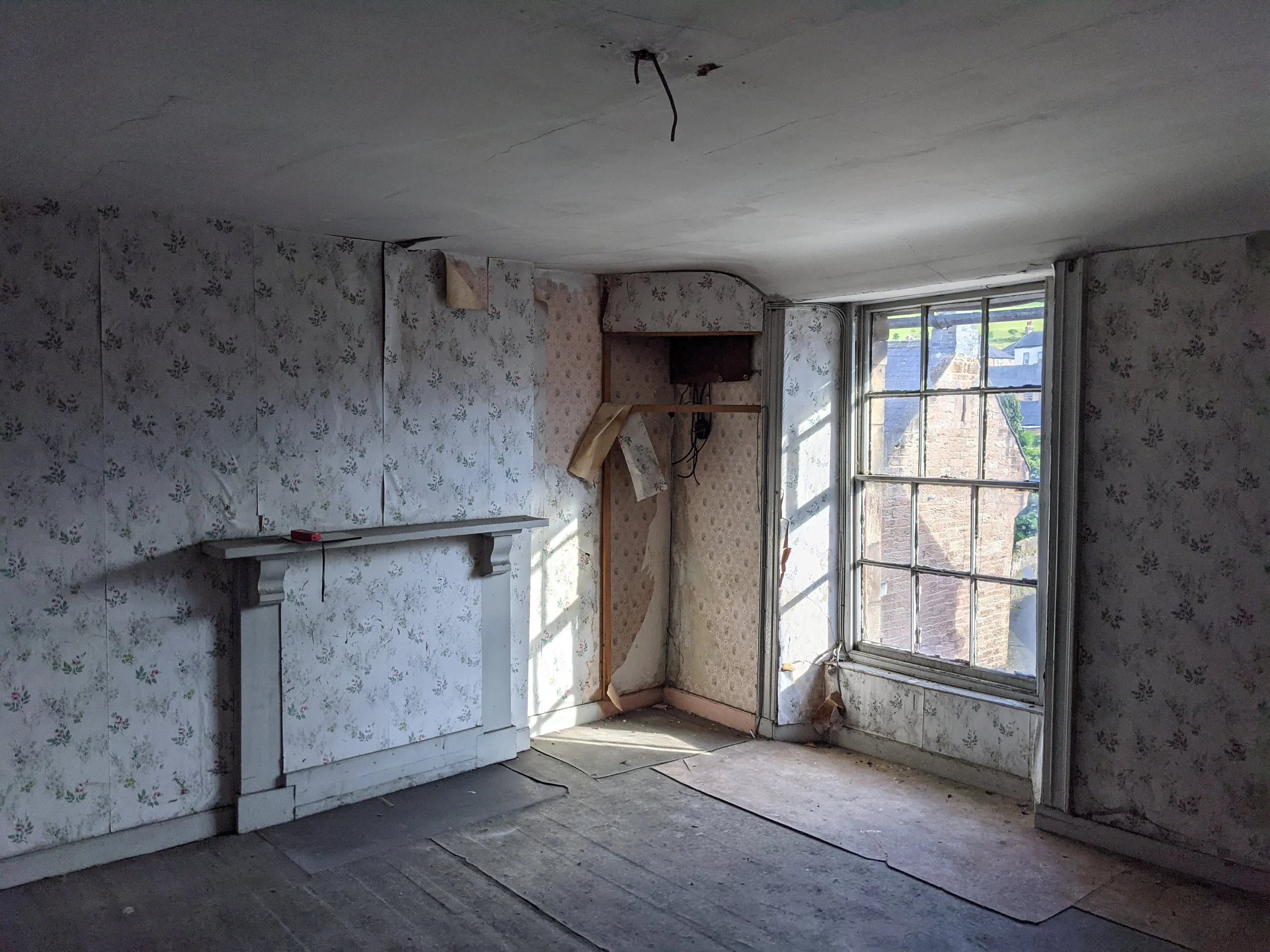
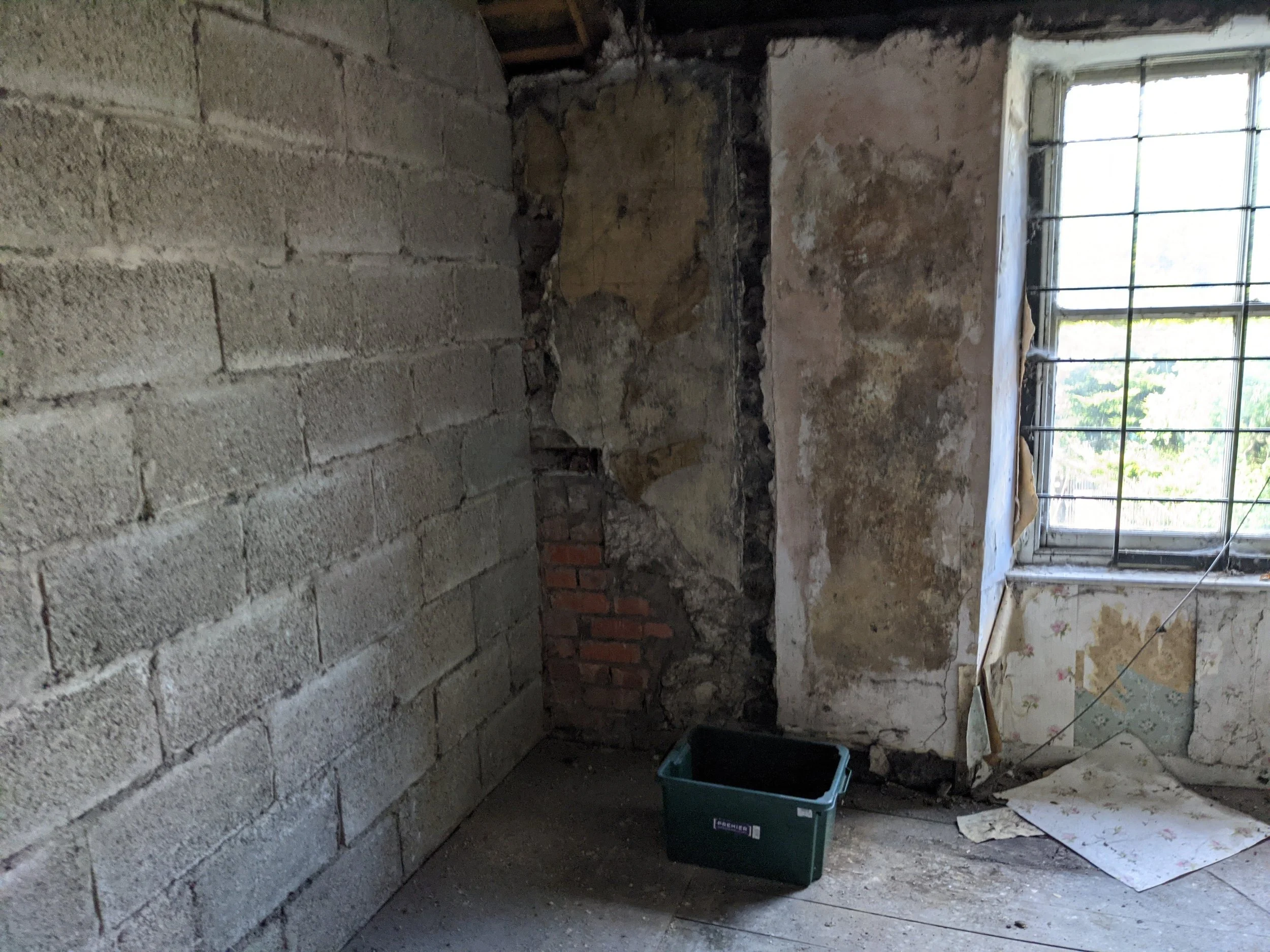
The building was Class E (commercial), and our aim was to unlock the unused upper storeys and roof space for residential. The complication was that the only way upstairs was through one of the shops. Many commercial buildings fail to sell due to access, planning, or configuration issues. For us, those challenges often signal opportunity.
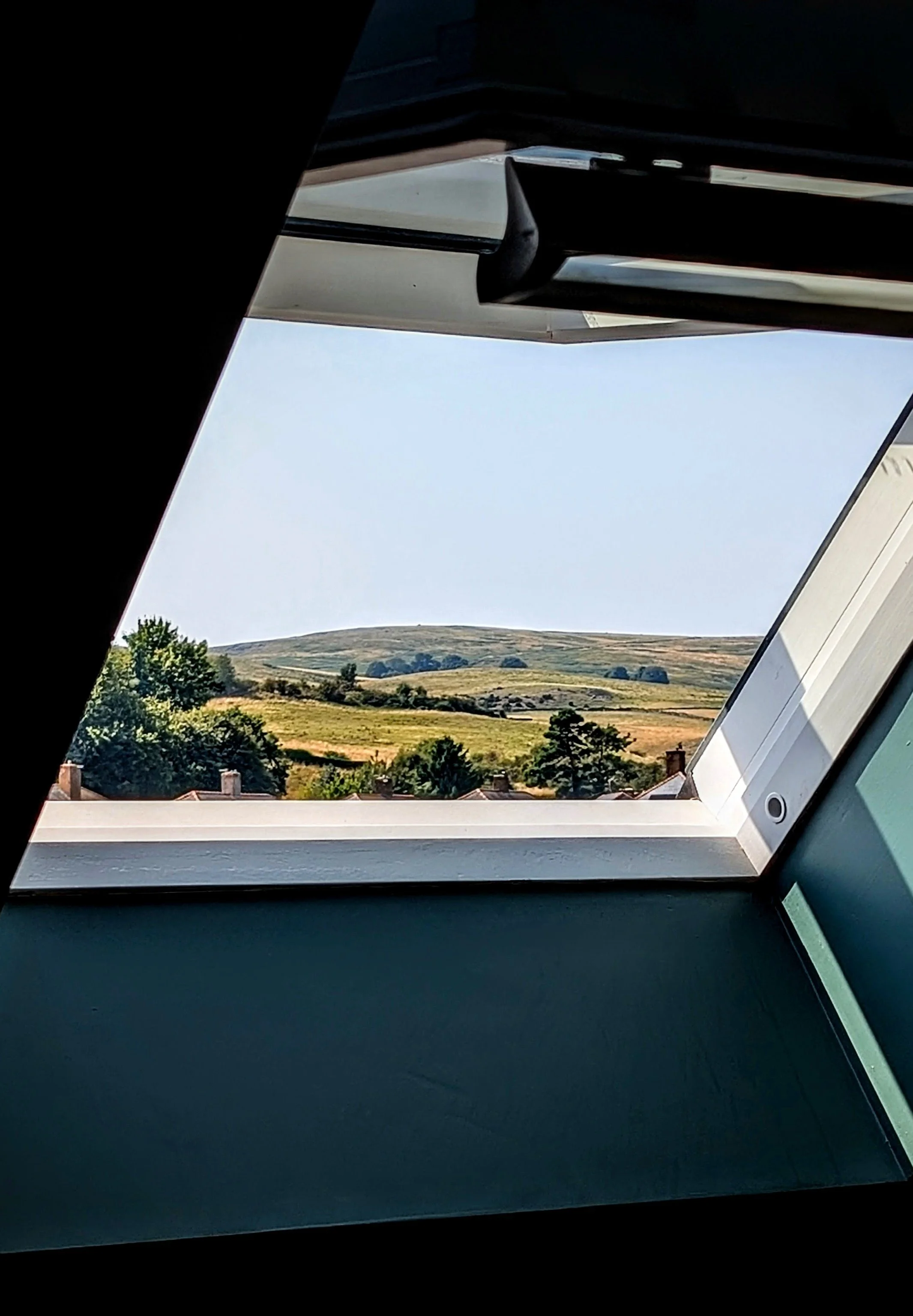
Our first move was to apply for planning permission to reconfigure the front elevation. We added a central doorway to access the stairwell, with separate entrances for the shops either side. This gave us independence between the commercial and residential elements. We also spotted the potential in the roof space. Being in a conservation area, the planners weren’t keen on front dormers, but we managed to secure approval for Velux rooflights instead. That planning permission then became the platform for a permitted development application under Class MA (conversion of Class E to residential).
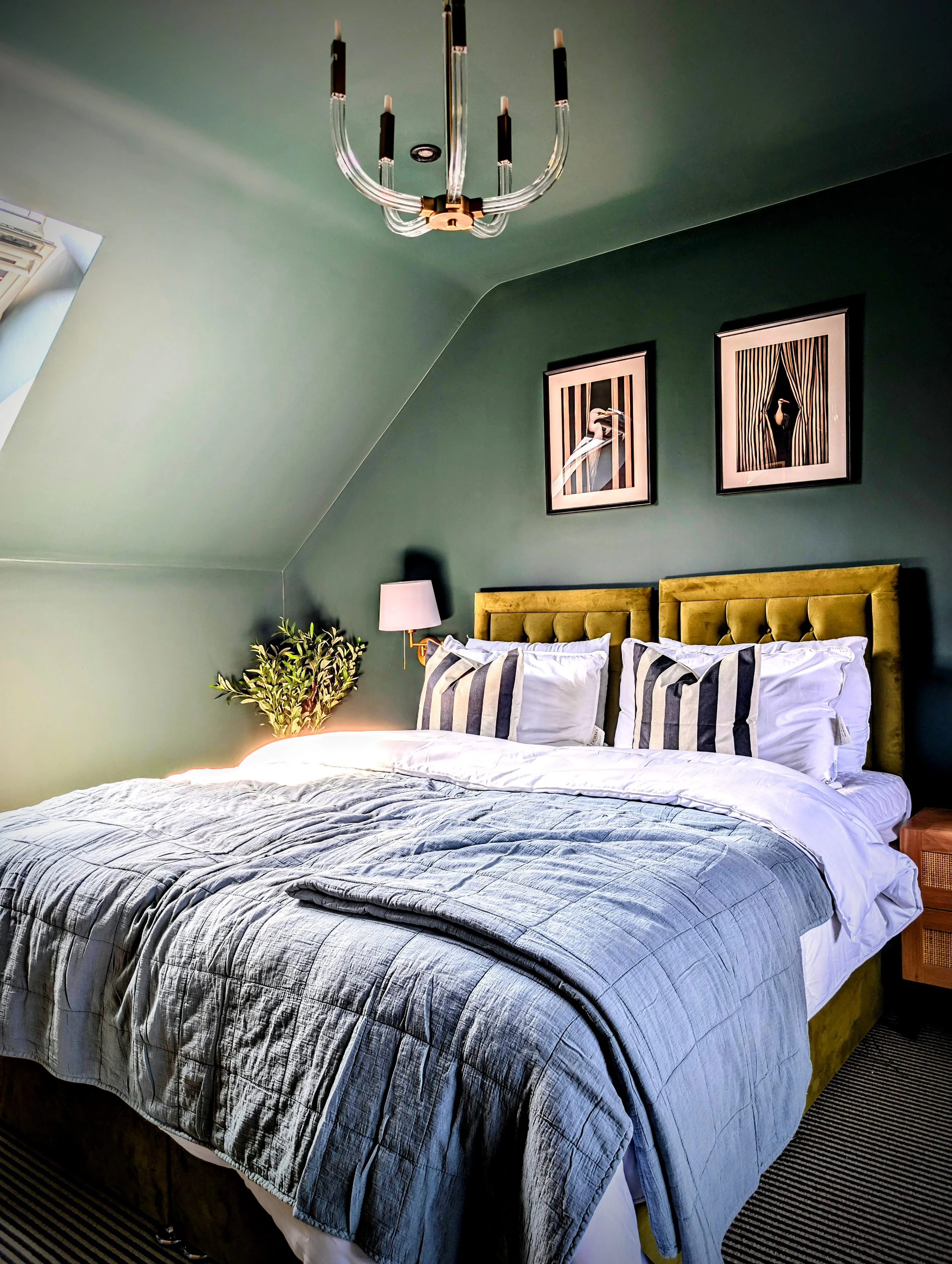
Using that, we secured consent for five holiday-let apartments: two on the first floor, two on the second, and one in the roof space — while retaining the two shops on the ground floor. Later, we went back and got permission for rear dormers to create even more usable space.
All told, the planning phase took about 9–12 months, but because we had income from the existing tenant, the building was covering its own holding costs.
Build Phase
Going in, I had budgeted roughly £550k for the works. That was based on around £75k per flat, plus some conversion works to the shops. When the quotes came back, the build cost was closer to £450k, which was a pleasant surprise and gave us a buffer for services, furniture, and contingencies.
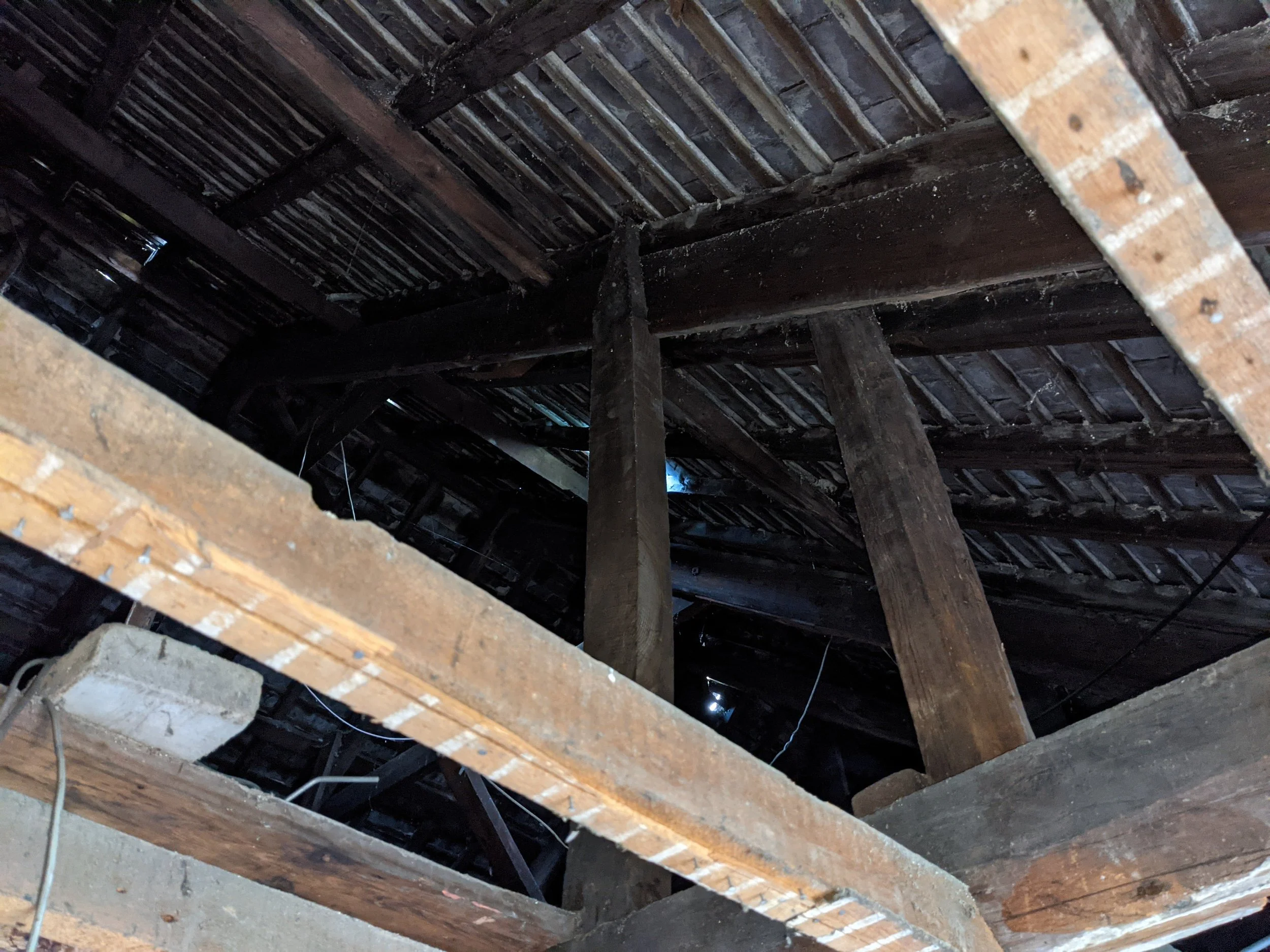
There was one big design decision mid-way. Originally, we wanted to retain the beautiful king and queen trusses in the loft, strengthening them with steelwork. But once we got into it, it became clear this would be overly complex, slow, and costly. So instead we ripped out the old trusses and installed new loft trusses. It cost a bit more in materials, but it was safer, quicker, and more straightforward.
All in, with furniture and the £100k purchase price, we were sitting at around £600–630k invested.
The Biggest Headache: Services
Where this project really tested us was in the service connections. We had factored in about £16–20k for new electricity and water connections, and we even paid these upfront in July, expecting them to be done within a few months. One of the most underestimated risks in commercial-to-residential projects is utility infrastructure, particularly electricity connections on multi-unit schemes. What we didn’t know was that Northern Powergrid were in the middle of re-tendering their civils contracts, so they weren’t booking in any new major works. Ours was classed as a major development because of the six new connections and road closures required.
We weren’t told this until months later. By Christmas, I finally discovered — through another department — that they simply weren’t booking any jobs. In the end, we lost around nine months waiting for a civils contractor to be appointed.
That had a knock-on effect: the builders had to move onto other jobs, decorating couldn’t progress, and the whole scheme stalled. Road closures added further delays, with the council unwilling to approve them during school holidays. This was probably the single biggest lesson to take away from the scheme. Even when you think you’ve planned ahead on services, you need to factor in long lead times and big lump-sum payments upfront. You’ll find out very quickly on schemes like this that service providers and planners have little to no regard for the financial or commercial impacts that their own timescales have on projects!
The Outcome
Despite the frustrations, the project is now complete and trading. The valuation came back at £760k — slightly below the £800k we’d hoped for, as the valuer used a higher yield (14.5%) and conservative income figures for the serviced apartments. Still, that’s above the original GDV in our early appraisals, so we’re happy.
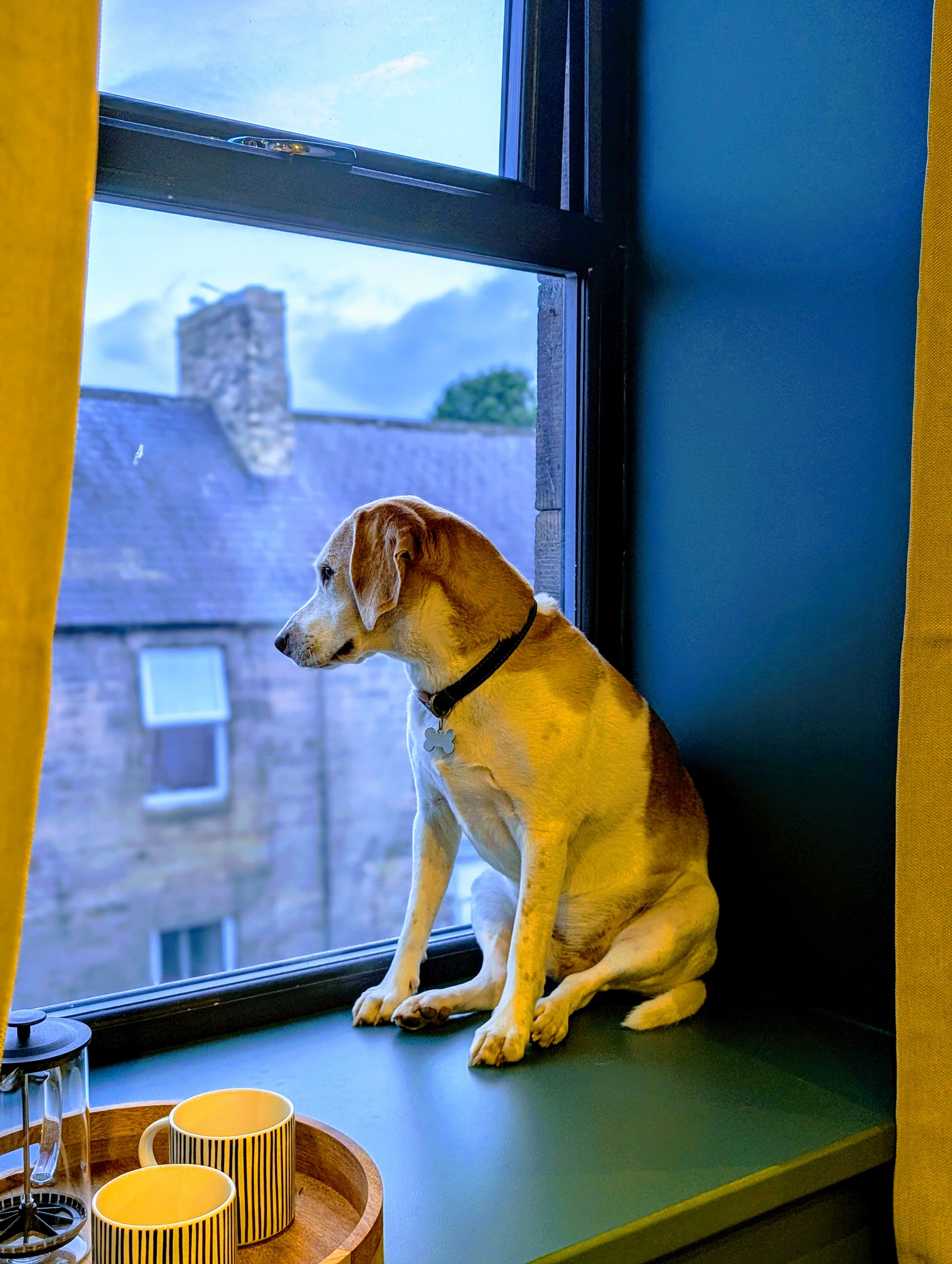
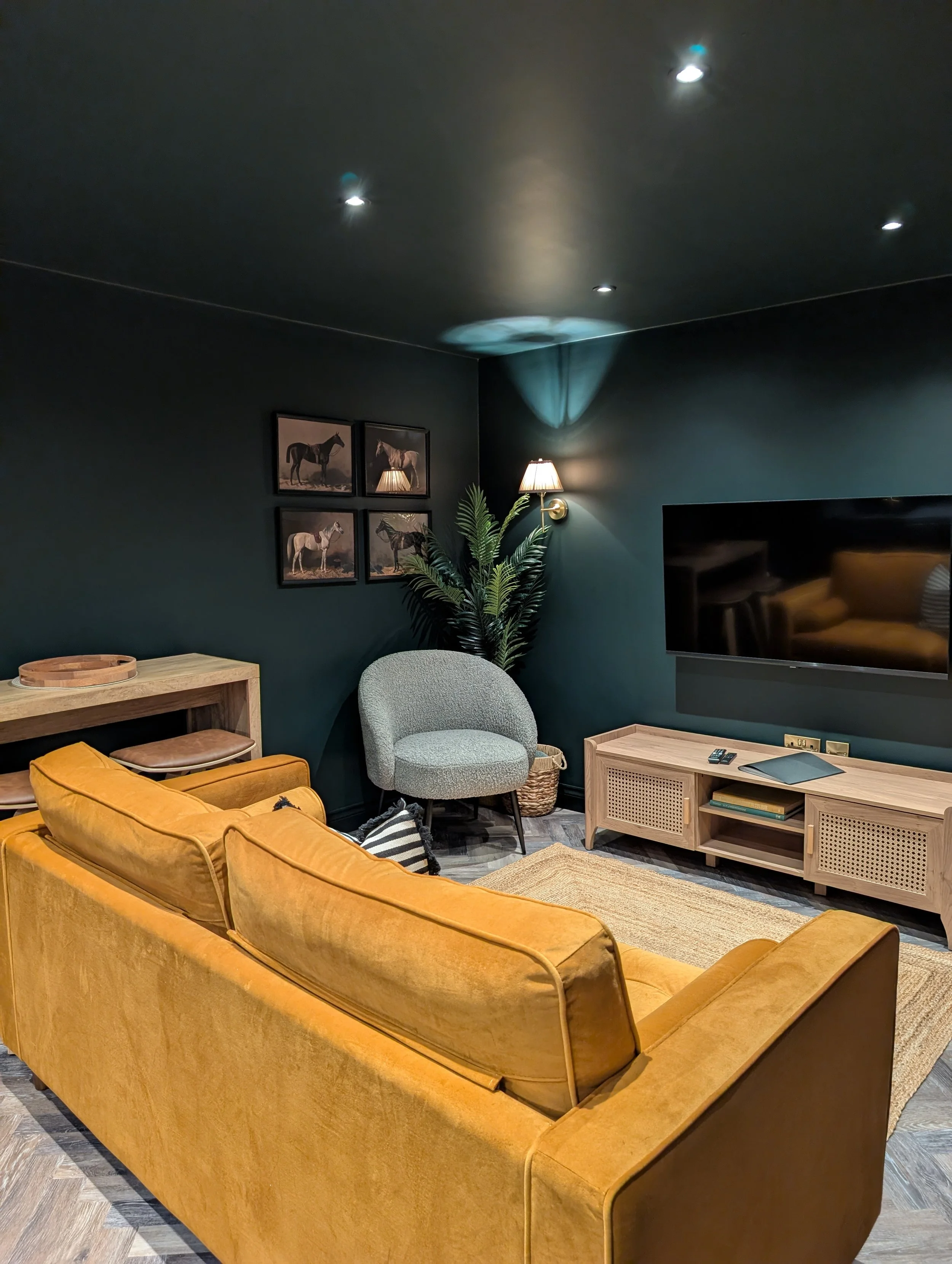
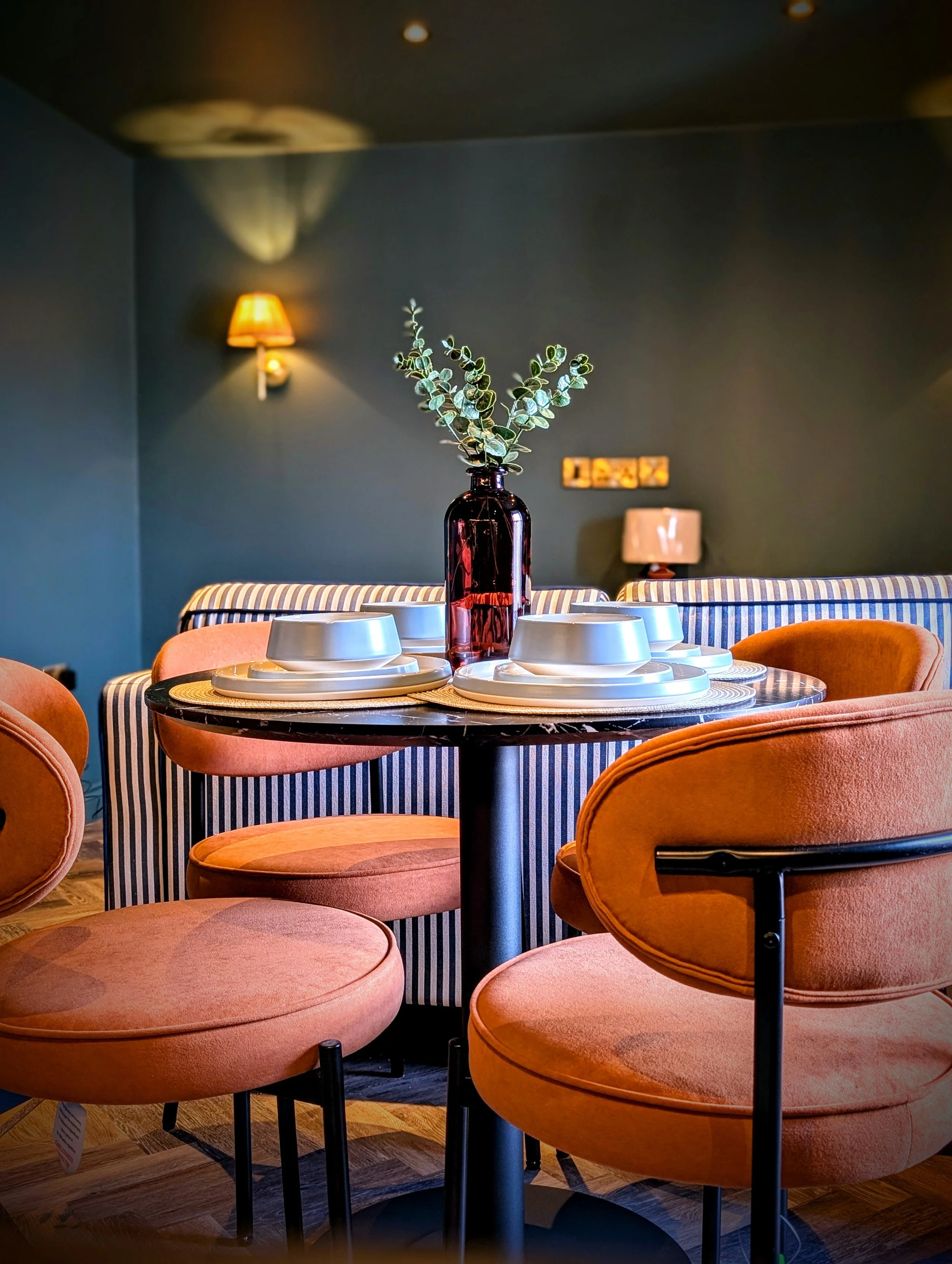
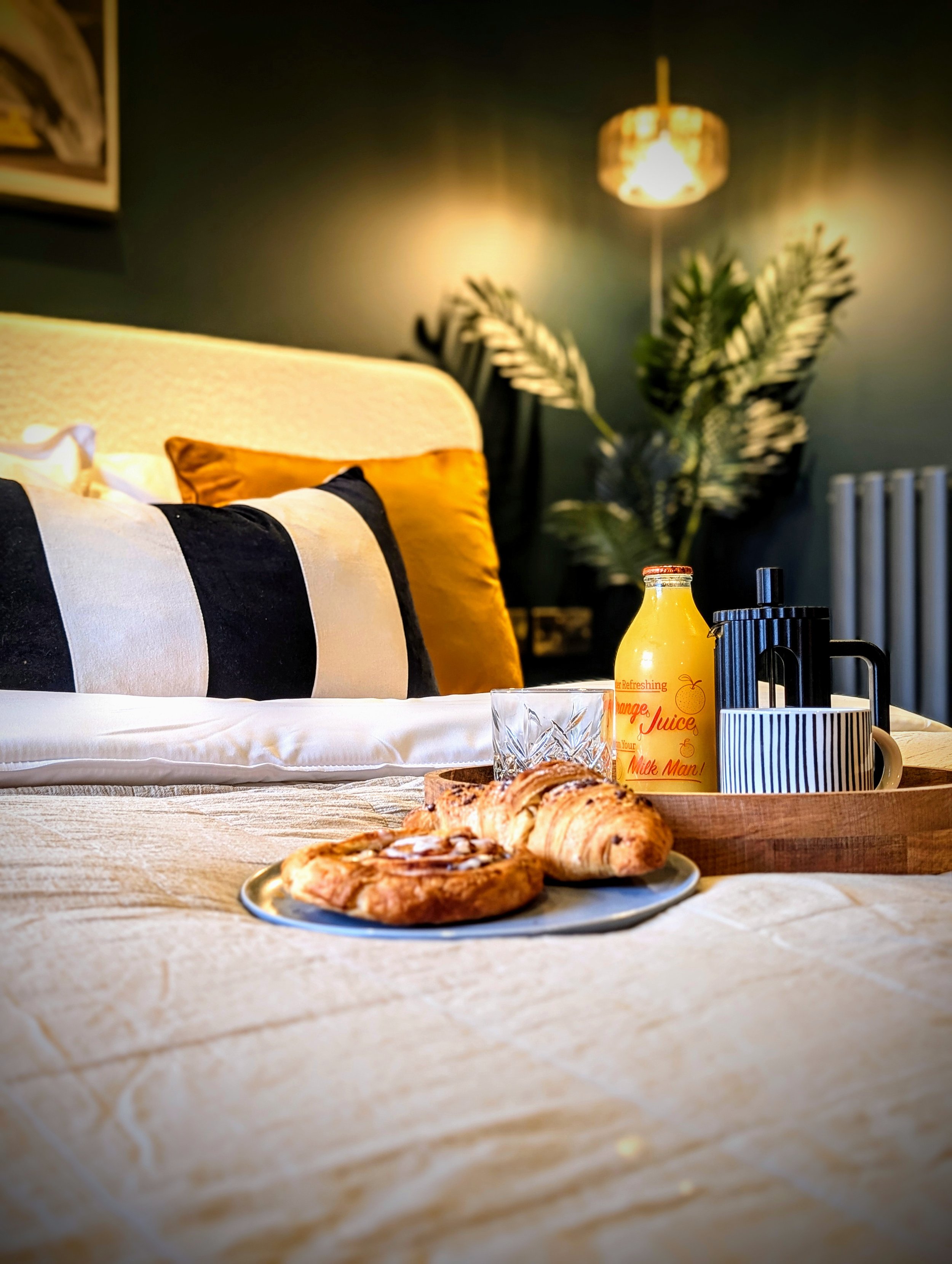
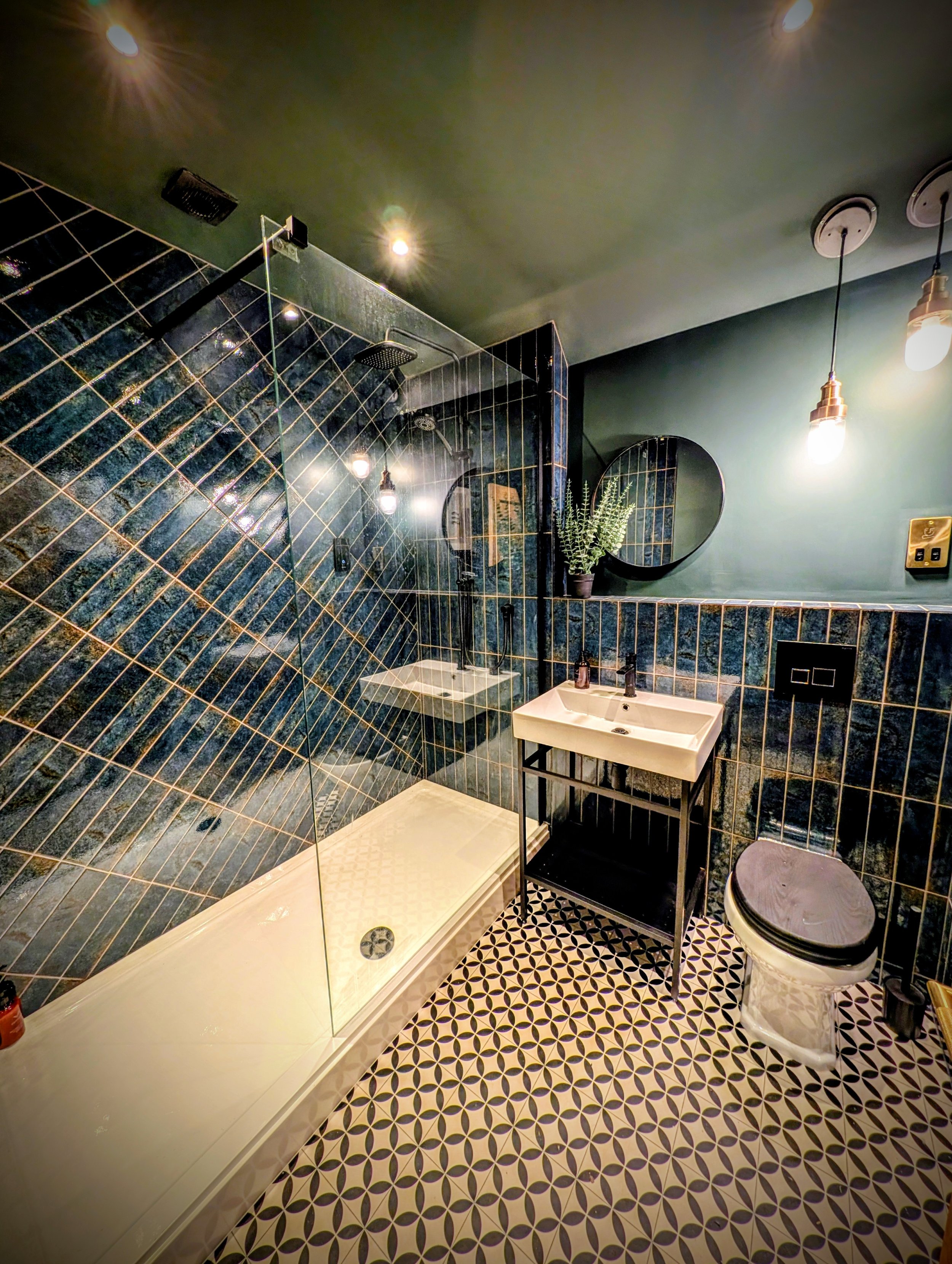
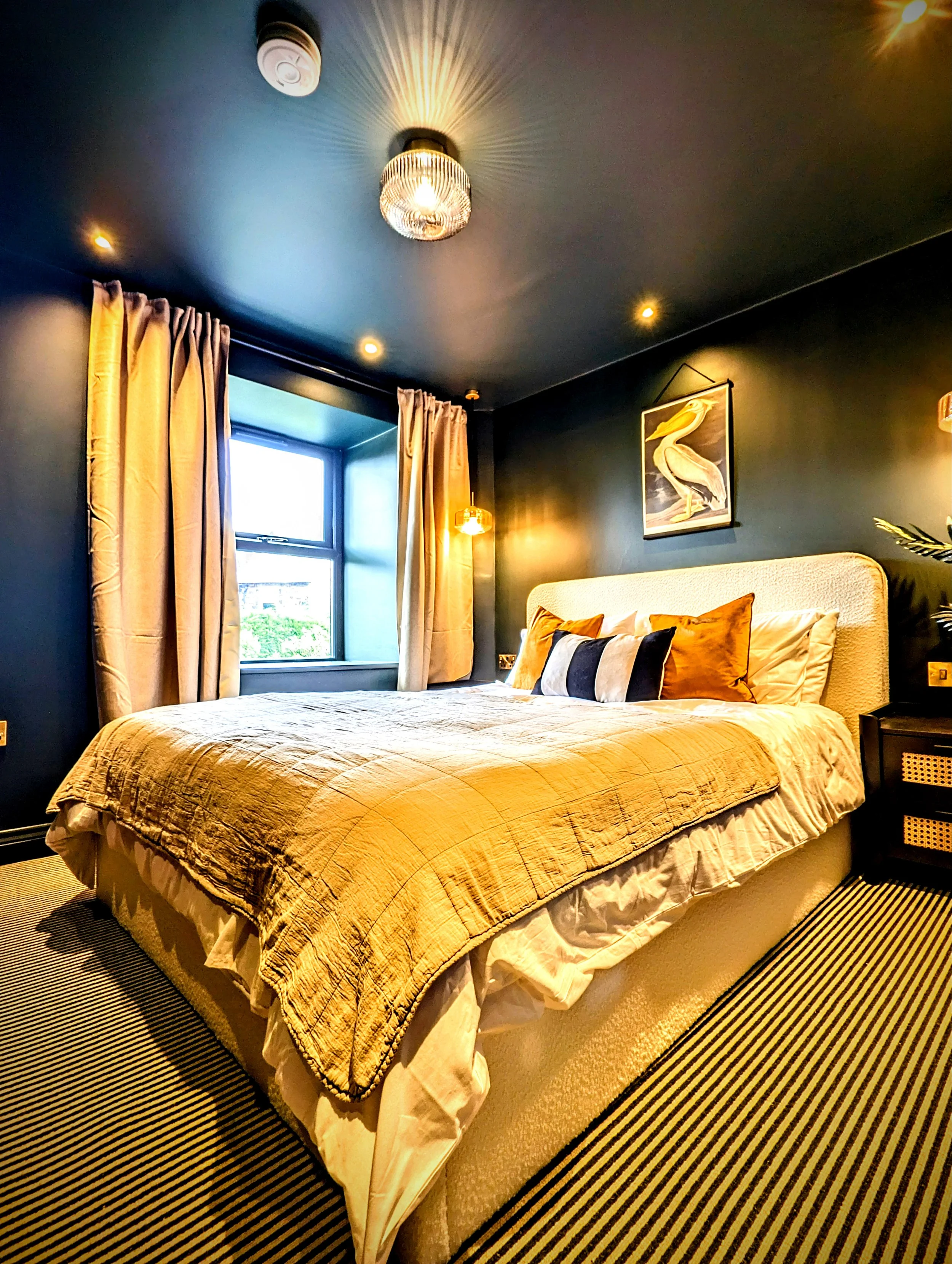
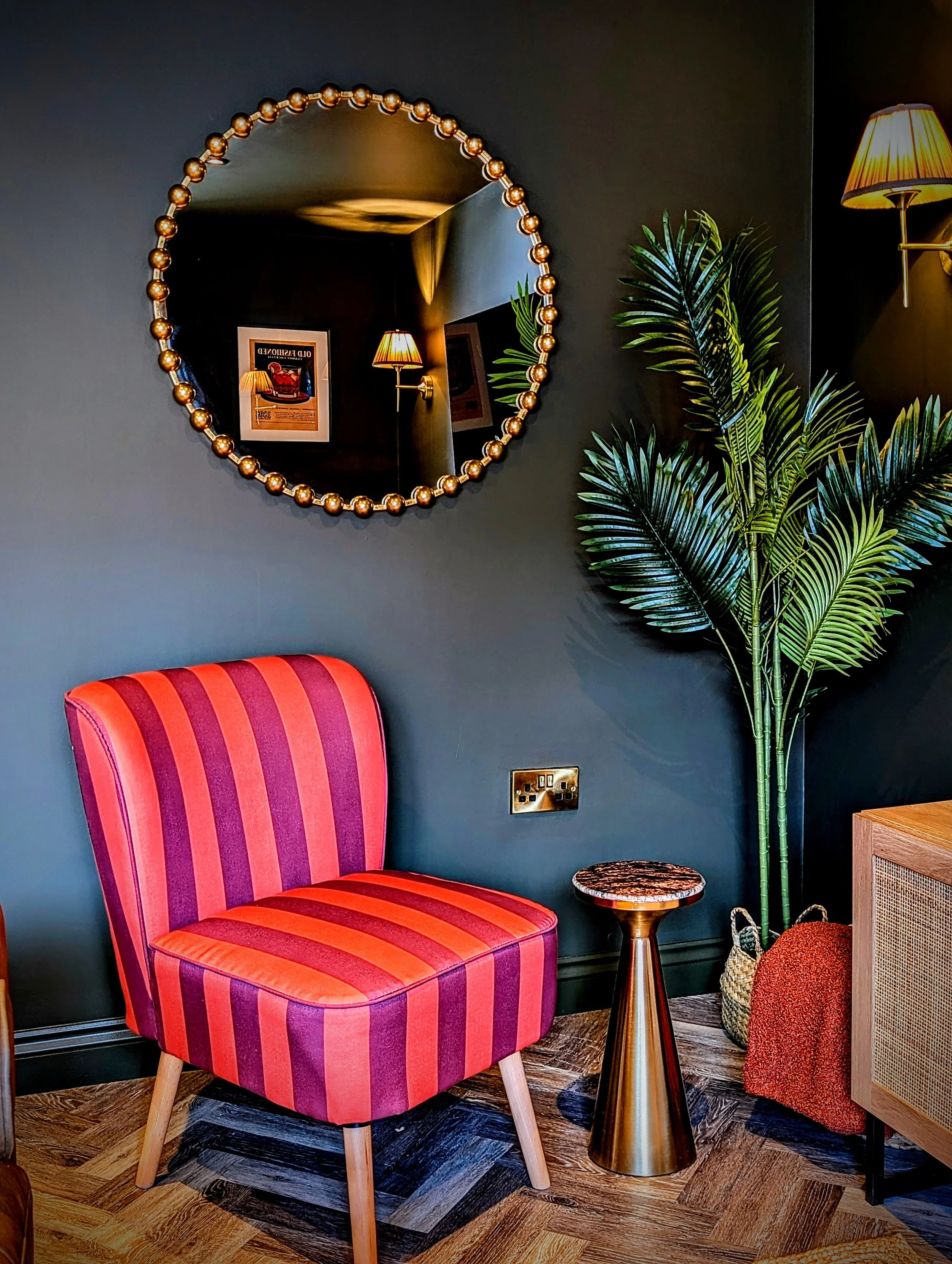
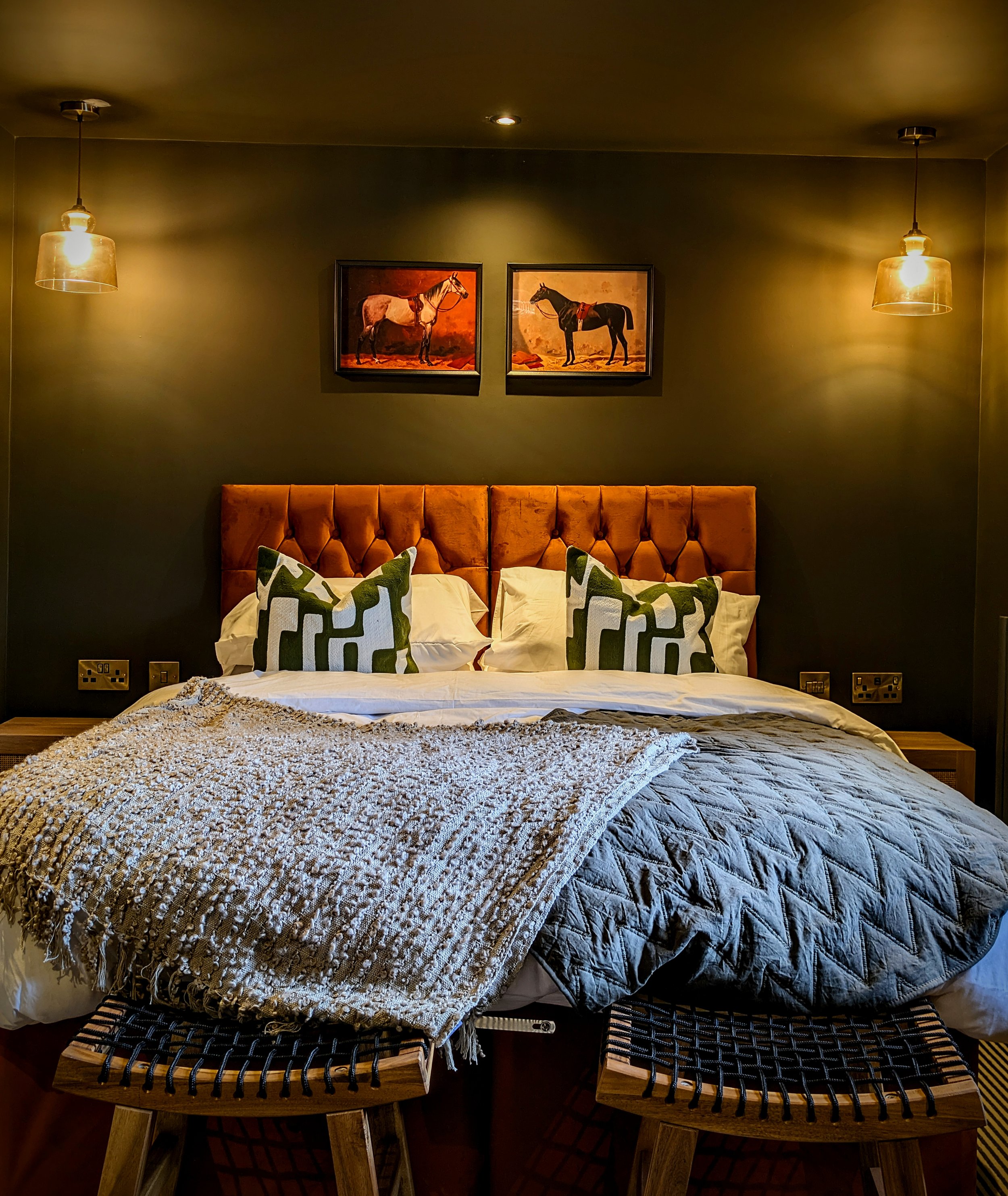
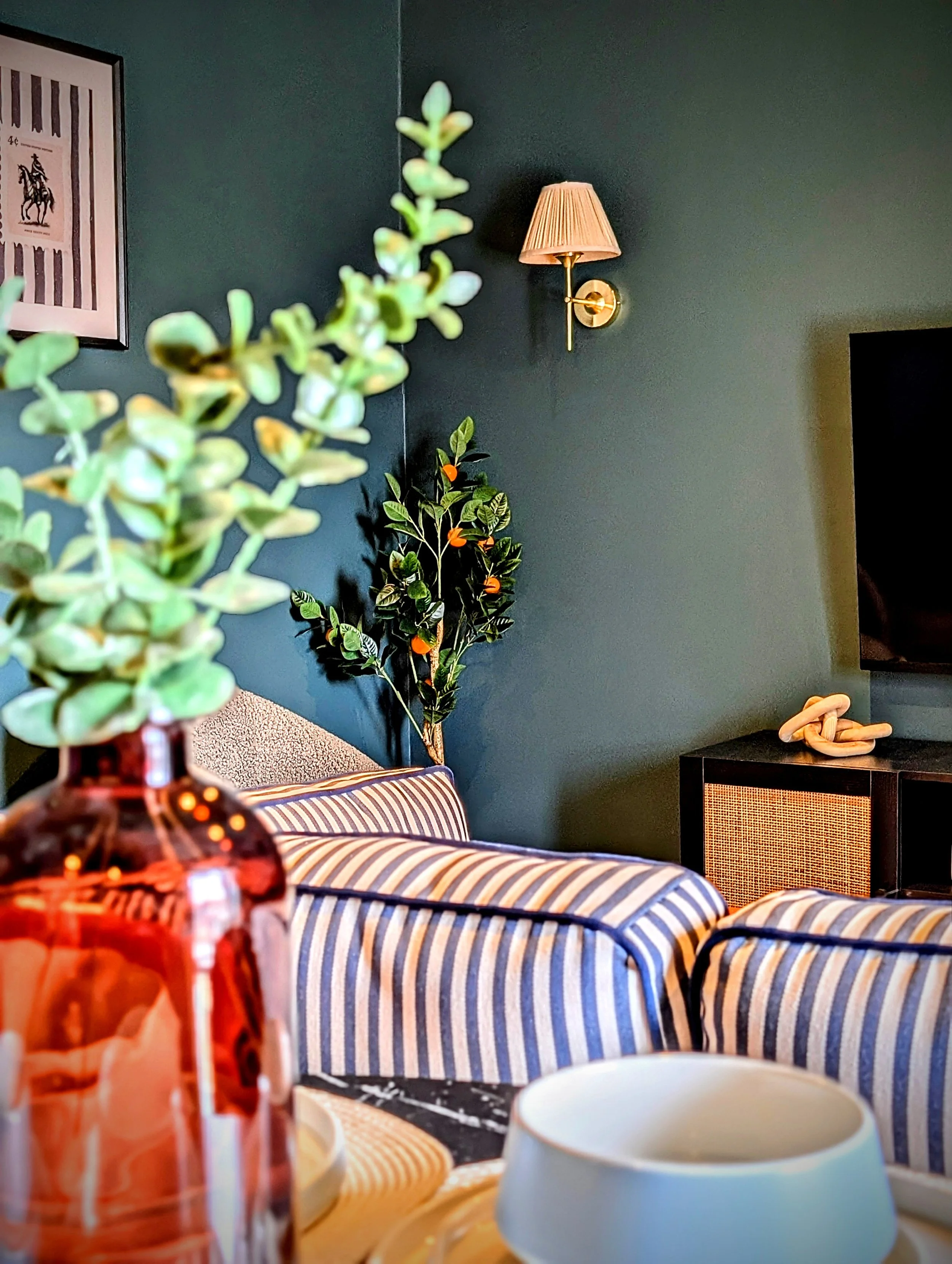
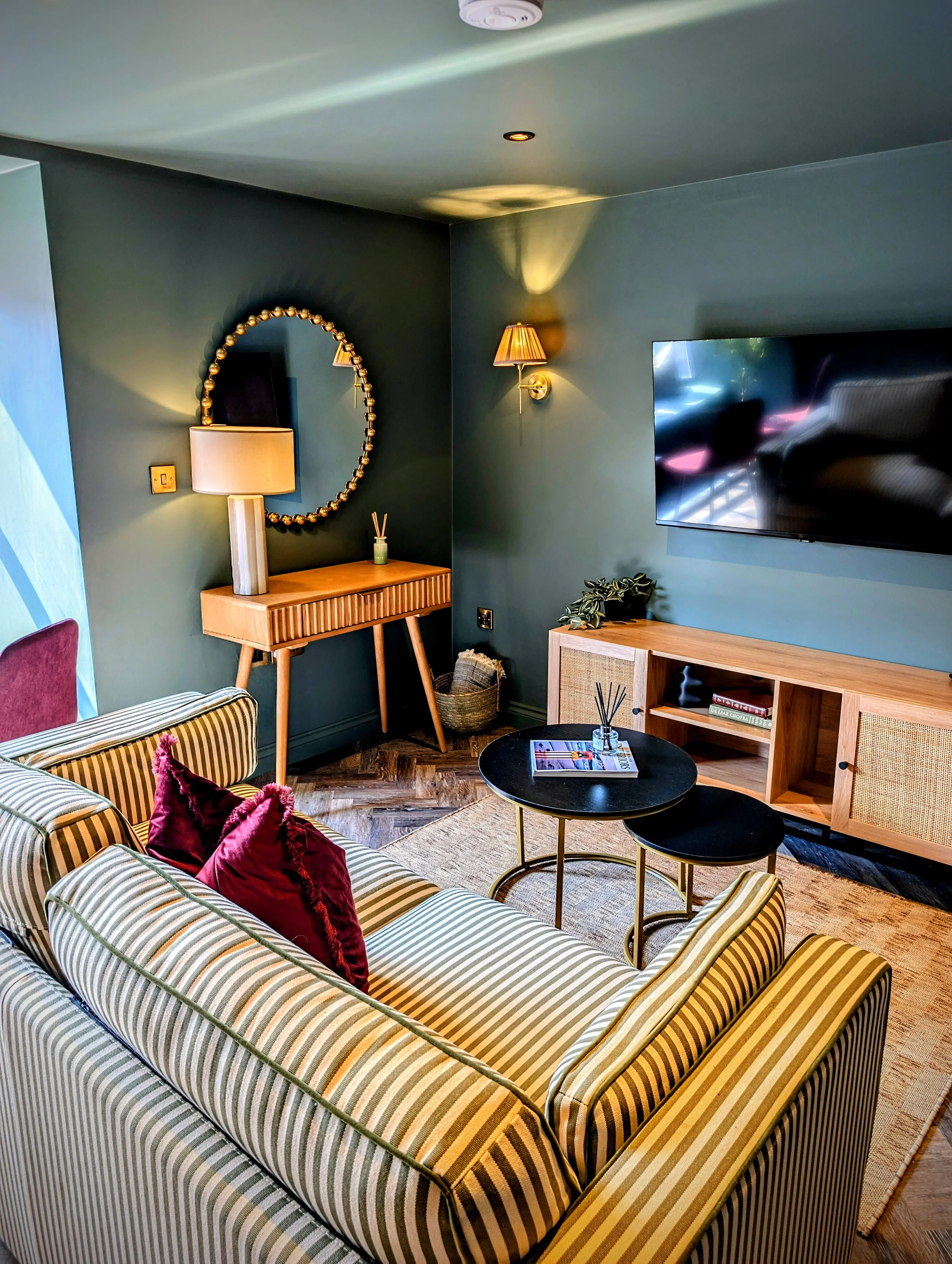
We did miss a summer of holiday-let income due to the delays, but bookings are now coming in and we’ll have a full year of trading next season. With two shops downstairs and five high-quality holiday apartments upstairs, the building has been completely transformed from its dilapidated state when we found it.
Key Learnings
Every project teaches you something. For us, this one reinforced three lessons:
Creativity at purchase is key. By offering on both terms and price, we secured the deal well below asking.
Planning is an opportunity, not a hurdle. By combining full planning with permitted development, we maximised the building’s potential.
Never underestimate service connections. Power, water, and road closures can make or break your programme. Pay early, chase relentlessly, and plan for delays.
In the end, what started as a tired mixed-use building has become a thriving asset in the conservation area centre of Wooler, which even neighbouring businesses have said is so well done that it's brought new customers to them also! How's that for reviving the High Street! And that, for me, is what property is all about: solving problems others walk away from, creating long-term value, and repurposing amazing old buildings in the process.
Why Work With a Commercial Conversion Specialist?
Commercial to residential conversions require a fundamentally different approach to domestic extensions. They involve planning policy interpretation, change-of-use strategy, permitted development rights, services coordination, and early-stage viability testing.
At 81 North Architecture, we specialise in commercial-to-residential and mixed-use conversions, unlocking value from complex buildings through design-led planning and development expertise. Crucially, we do not stop at planning or technical design. We support projects all the way through to completion, fit-out, and occupation.
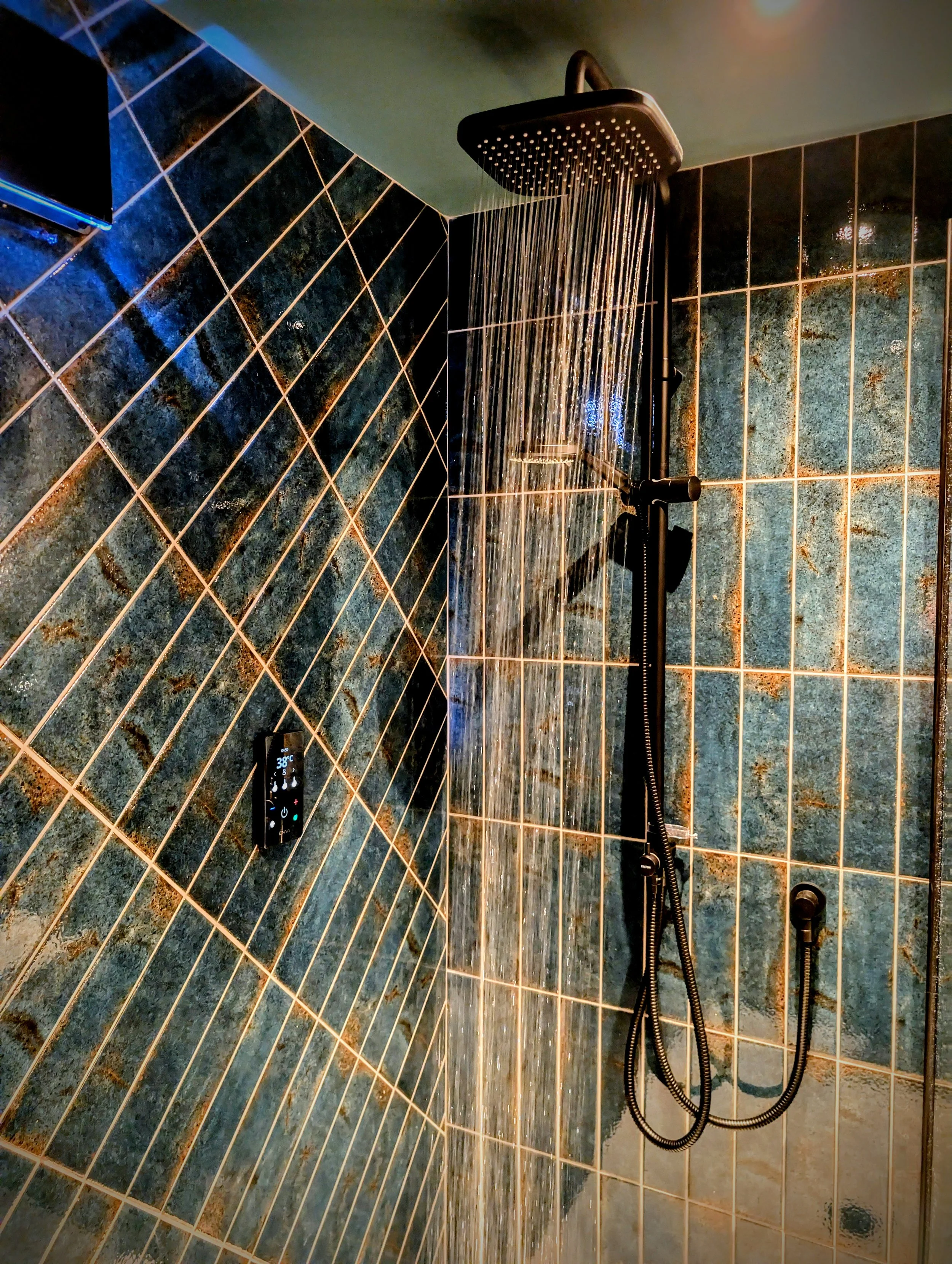
On this scheme, having control over every design decision allowed us to deliver a significantly higher standard of finish. Interior layouts, bathrooms, kitchens, and furniture were planned together from the outset, rather than being treated as afterthoughts. Tile orientation, shower positions, kitchen layouts, lighting, and power were all coordinated early, with furniture and guest use in mind before finalising electrical and plumbing layouts.
By designing around how the spaces would actually be used, we avoided costly late changes on site, reduced rework, and ensured that sockets, lighting, and fittings landed exactly where they were needed. That level of upfront thinking not only improves the end result, but consistently saves thousands during the build phase and delivers a better-performing asset once operational.
Because we combine architectural design, interior planning, and real-world development experience, our approach is rooted in practicality. We understand where time and money are often lost on commercial conversions, and we design to eliminate those risks before they reach site.
Designing holistically from the outset reduces variation costs, shortens programmes, and results in buildings that function better from day one.
Commercial to residential conversion in Wooler showing transformed mixed-use building with shops and holiday apartments
FAQs
Can you convert a Class E building to residential?
Yes. In many cases, Class E buildings can be converted to residential either through full planning permission or under permitted development Class MA, subject to criteria.
Do I need planning permission to convert a commercial building to residential?
In many cases, yes. Commercial to residential conversions can be carried out either through full planning permission or under permitted development rights, such as Class MA for Class E buildings. The correct route depends on the building’s use class, location, and constraints such as conservation area status.
What is Class MA permitted development and who does it apply to?
Class MA is a permitted development right that allows certain Class E commercial buildings to be converted into residential use without full planning permission, subject to prior approval and specific criteria. Not all buildings qualify, so early assessment is essential.
Can commercial buildings be converted in conservation areas?
Yes, but conservation areas introduce additional design and planning considerations. External alterations, roof changes, and access arrangements are often scrutinised more closely, meaning a design-led and planning-aware approach is critical.
What are the biggest risks in commercial to residential conversions?
The most common risks include service connections, access and fire strategy, planning delays, and late design changes during construction. Many of these risks can be reduced through early feasibility studies and coordinated design.
How long does a commercial to residential conversion take?
Timescales vary depending on planning route and complexity. A typical project may take 6–12 months for planning and design, followed by 6–9 months on site. Utility connections and highway approvals can extend programmes if not planned early.
How much does a commercial to residential conversion cost?
Commercial to residential conversion costs vary significantly depending on the building, its condition, and the level of intervention required. As a very rough guide, conversion costs often range from £1,200–£2,000 per square metre, but this should only be used as an initial indicator rather than a fixed benchmark.
Every building is different. Factors that can heavily influence cost include existing structure and floor-to-ceiling heights, construction type, and the level of upgrading required to meet current building regulations. For example, high-ceilinged buildings such as churches or former industrial spaces often require substantially more insulation, framing, plasterboard, scaffolding, and labour, which can push costs well beyond typical averages.
Material type also plays a major role. Converting stone buildings, listed properties, or structures with lath-and-plaster walls is typically more labour-intensive than working with modern brick or blockwork. Similarly, timber floor structures often require additional acoustic and fire upgrades compared to concrete floors, which can significantly affect overall cost.
Because of these variables, early-stage feasibility and viability testing is essential. Assessing structure, services, planning constraints, and specification at the outset allows realistic budgets to be set and avoids relying on misleading “cost per square metre” figures that rarely reflect the true complexity of commercial conversions.
Why is interior design important in commercial conversions?
Interior design decisions affect layout efficiency, build cost, and end-user experience. Coordinating kitchens, bathrooms, lighting, furniture, and power layouts early can reduce variations on site and significantly improve the finished product.
When should I involve a commercial conversion specialist?
Ideally at pre-offer stage. Early advice can identify planning risks, service constraints, and viability issues before a purchase is made, helping buyers avoid costly mistakes and overpaying for unsuitable buildings.
